
Intermittent fasting has become popular recently for its positive effects on the body. This pattern involves eating and then fasting for certain times. Many studies back its benefits. Let’s dive into the top 10 benefits of intermittent fasting.

Key Takeaways:
- Intermittent fasting can aid in weight loss and fat loss.
- It has been shown to improve insulin sensitivity, reducing the risk of type 2 diabetes.
- Intermittent fasting enhances metabolic health, reducing triglyceride levels and inflammation.
- It promotes cellular repair and activates autophagy, contributing to longevity and anti-aging effects.
- Intermittent fasting can improve heart health by reducing blood pressure and cholesterol levels.
A 2017 study showed intermittent fasting’s success in weight loss. It matched regular dieting in results. This pattern also helps the body process insulin better, guarding against diabetes.
Intermittent fasting tackles metabolic woes too. It cuts down on harmful fats and fights inflammation. It also jumpstarts cell healing and removes old cells, possibly extending lifespan.
Fight inflammation naturally with these Anti-Inflammatory Supplements. 🌱
Insert after the explanation of reduced inflammation.
For the heart, intermittent fasting brings good news. It eases pressure on the heart by lowering blood and cholesterol levels. It cuts the risks of heart issues significantly.
Support your heart health with Heart Health Supplements. ❤️ Find out more here
There are more pluses. It’s been tied to sharper mind and less risk of brain disorders. Early signs show it could also help fight cancer or ease chemo issues.
It’s an easy step to eat better and fits in many routines. Yet, talking to a doctor first is wise. They can check if it’s good for you personally.
Weight Loss and Fat Loss
Intermittent fasting is a trendy way to manage weight and hit weight loss targets. It’s easier for many to stick with than cutting calories every day. This makes it a good long-term choice for keeping weight in check.
In a 2022 study, people who fasted 5 days and ate regularly 2 days a week lost a lot of weight. They shed about 9% off in just 12 weeks. This was more than what usual diet plans achieved.
Looking over 27 studies, intermittent fasting was found to lead to losing between 0.8% and 13% of starting weight. It proves that the approach is strong in helping people shed pounds and fat.
Ready to start your weight loss journey with intermittent fasting? 🌟 Check out this Intermittent Fasting Guide for beginners!
Yet, it’s key to remember not all fasting methods work the same. A 2020 study looked at the 16:8 plan. It showed fasting didn’t make people lose more weight than those eating normally. But, the fasters did lose some muscle mass.
Before jumping into intermittent fasting, talking to a doctor or a nutritionist is smart. They can make sure it fits your health needs. This way, you can get the most from it without risks.
Intermittent Fasting Guide
Thinking about trying intermittent fasting? Here’s how you could start:
- Pick a fasting method that suits how you live, like 16:8 or 5:2.
- Slowly increase the time you fast. For 16:8, you might start with 12 hours.
- Drink water or zero-calorie drinks during your fasting time.
- Eat foods that are good for you when you’re not fasting.
- Change your fasting plan if you don’t feel right. Your health is the most important.
Intermittent fasting is just one way to manage your weight. It works better when combined with eating well, moving, and living healthy. This mix is the key to keeping fit.
| Method | Description |
|---|---|
| 16:8 | 8-hour eating window and 16-hour fasting cycle |
| 5:2 | 5 days of standard eating followed by 2 days of reduced caloric intake |
Adding intermittent fasting to your weight journey can help with losing weight and fat. Plus, you can make it work for you by choosing what fits best.
Improved Insulin Sensitivity
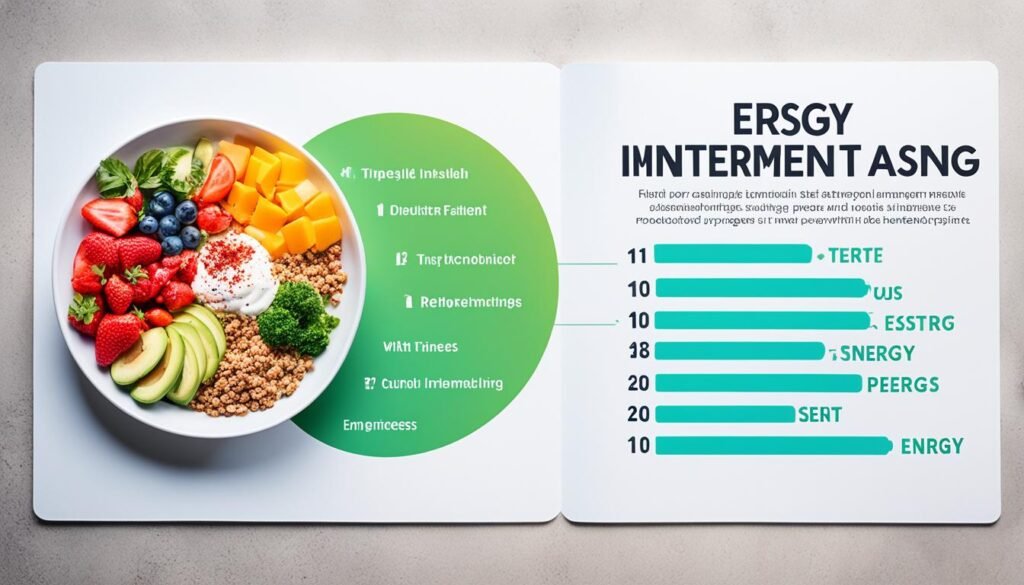
Intermittent fasting is great for making your body use insulin better. This can help ward off or manage type 2 diabetes and keep your blood sugar in check. It works well, especially for people who might get diabetes but haven’t yet. This way of eating also makes your cholesterol better. It can be even more powerful if you pair it with working out.
In 2022, a study looked at 131 obese people who tried intermittent fasting for 12 weeks. They found these folks lost around 9% of their weight. This was better than other diets.
“Intermittent fasting has opened up new possibilities for managing weight and insulin resistance, making it an exciting area of research.”
A look at 27 studies in 2020 showed that fasting can make people shed some pounds. They lost between just under 1% to 13% of their body weight. This hints at its power for slimming down.
But, a trial from 2020 found that people using the 16:8 method didn’t lose more weight than regular eaters. However, the fasters did lose some muscle mass.
Another finding is that fasting can help lower one’s blood sugar slightly. A research review of 10 studies found it can drop by about 0.15 mmol/L on average.
Improve your insulin sensitivity with the right tools! 💡 Try this Nutrition Tracker to monitor your progress.
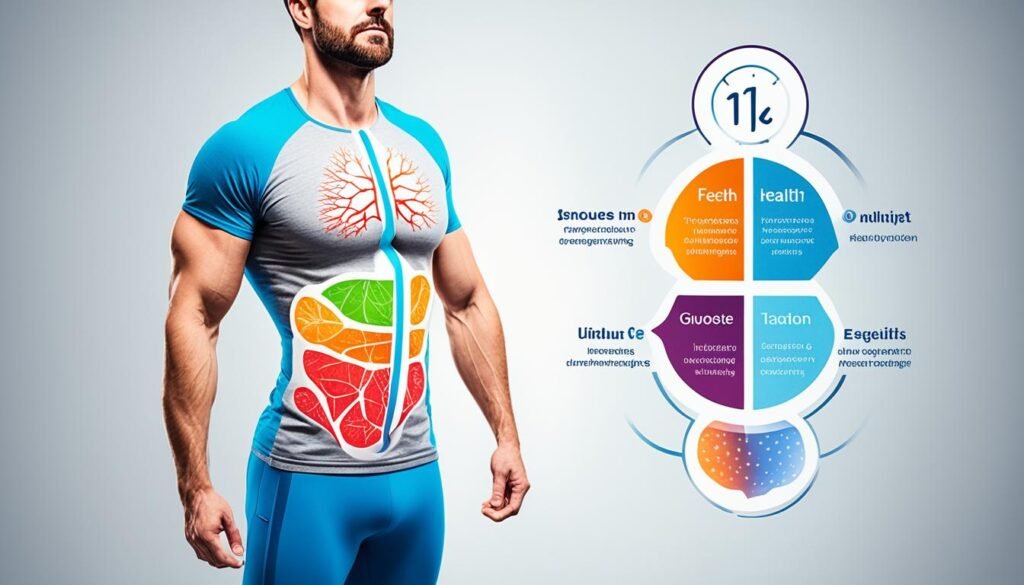
Intermittent fasting is also really good for making your body use insulin better. It lowers your chances of getting type 2 diabetes. Plus, it helps your body fight damage from stress, lower inflammation, and better your heart health. It improves things like your blood pressure and cholesterol.
Some studies with animals show that fasting could stop some cancer and help chemo work better. Yet, we need more studies with people to be sure.
Maximize your growth hormone levels with Natural Growth Hormone Boosters. 💪
Intermittent fasting is not just good for your body but also your brain. It lessens harmful stress, lowers inflammation, and helps your brain’s sugar and insulin. It ups BDNF, a key hormone for brain health.
A 2023 review hinted that fasting could slow or lessen Alzheimer’s disease’s effects. This diet might have big effects on our brain over time.
Enhance your brain function with these Cognitive Enhancers. 🧠 Click here for details.
What’s really exciting is that fasting could help animals live longer. For instance, mice fasting on and off lived about 13% longer. But the health benefits of daily fasting are also clear in studies with animals.
There are many ways to fast. The 16:8 method and the 5:2 way are popular. The first means you eat in an 8-hour window and fast for 16. The latter has you eat normally for 5 days and then eat very little for 2 days.
Fasting on and off can be a simple and lasting plan to make your body manage insulin better, keep your blood sugar steady, and help your metabolism. Talk to a healthcare pro to pick the right fasting plan for you.
Enhanced Metabolic Health
Intermittent fasting brings many benefits for our health. It can make our heart and blood health better and cut the chance of getting sick.
It lowers triglycerides, a kind of blood fat tied to heart issues. This is really good for your heart.
Boost your metabolic health with our Metabolism Booster Supplement! 🌿 Click here to learn more.
Also, it lessens oxidative stress. This stress speeds up aging and causes diseases. So, by fighting this, you might be healthier and live longer.
This way of eating can repair cells and kick off autophagy, cleaning up cells. Autophagy may protect us from serious illnesses like cancer and Alzheimer’s.
Promote cellular repair with Cellular Health Supplements. 🧬
Making this part of your life more healthy includes eating well when you do eat. It’s important to balance fasting with good meals. Planning what you eat can make sure you get all the good stuff you need.
Work out and reduce stress with fasting to make it even better for health. Together, these healthy steps can really boost the benefits of fasting, helping you reach your health targets.
| Metabolic Health Benefits | Intermittent Fasting Tips |
|---|---|
| – Reduction in triglycerides, linked to heart disease – Decreased oxidative stress and inflammation – Improved cellular repair and activation of autophagy |
|
| Fasting Meal Plans | Best Fasting Practices |
|
|
Conclusion
Intermittent fasting has a bunch of proven benefits for your health. It’s great for losing weight and fat, making your body better at using insulin, and improving how your metabolism works. It can also fight inflammation, help your heart, boost growth hormone, and make your brain sharper.
This eating pattern could also decrease aging signs and maybe even help you live longer. But, before you jump in, talk with a doctor. They can help you figure out if it’s right for you. And they’ll give advice that’s just for you.
Discover the secret to longevity with this Anti-Aging Products. 🌟
Remember, how you do intermittent fasting matters. You could try not eating for 16 hours and then eat during an 8-hour window. Another way is to eat normally for 5 days and cut back on 2 days.
Lots of people say they’ve done well with intermittent fasting. They share stories of hitting their health and weight goals. But, it might not work for everyone. Talk to your doctor if you have diabetes or other health issues before you start.
Still, intermittent fasting can be a good part of improving your health. Just make sure to eat balanced meals. How much and what you eat is as important as when you eat.
FAQ
What are the top 10 science-backed benefits of intermittent fasting?
Intermittent fasting can lead to many health benefits. These include weight loss and better heart health. It can also improve how your body uses insulin and lower inflammation.
This method can even boost your brain function and help your cells repair themselves. And, it has been shown to slow down aging and increase lifespan.
How does intermittent fasting help with weight loss and fat loss?
Fasting on and off helps your body burn fat. It also makes you eat fewer calories, helping in weight loss. This method can be easier to stick with compared to daily calorie reduction.
Does intermittent fasting improve insulin sensitivity?
Yes, intermittent fasting can make you more sensitive to insulin. This is crucial in preventing diabetes. It also helps keep your blood sugar in check and fights insulin resistance.
What are the benefits of intermittent fasting for metabolic health?
Intermittent fasting boosts your metabolism. It lowers triglycerides and improves cholesterol. This reduces stress, lowers inflammation, and supports the repair of your cells.
What should I know about starting intermittent fasting?
Always talk to a doctor before you start fasting. They can help you pick the right plan for your health. Remember, fasting should be a part of a healthy lifestyle.